Best Winter Tires for Your Vehicle
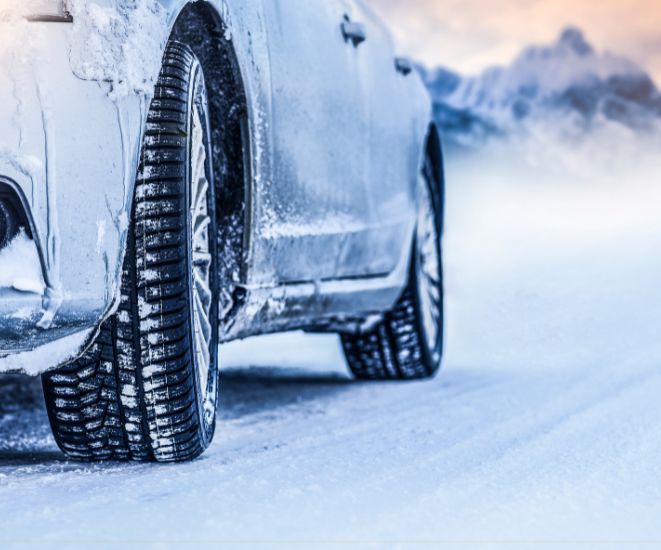
Snow, ice and freezing temperatures can make winter driving challenging. One of the best ways to prepare your vehicle for cold-weather conditions is by installing dedicated winter tires. For 2026, there are several excellent options designed to provide better traction, braking and control on snow and ice.
1. Bridgestone Blizzak WS90
The Bridgestone Blizzak WS90 remains one of the top choices for winter driving in 2026. Its specialized tread compound and Multicell technology are designed to improve grip on ice, while the tread pattern provides plenty of biting edges for traction in snow. The WS90 is a strong choice for drivers who regularly encounter icy streets, packed snow and changing winter conditions.
2. Michelin X-Ice Snow+
The Michelin X-Ice Snow+ is a newer winter tire designed for ice, snow, slush and cold wet roads. Michelin developed the tire to deliver strong winter braking, lateral ice grip and improved tread life. It is available for a wide range of vehicles, including sedans, SUVs, crossovers, pickups, hybrids and electric vehicles. Drivers looking for a combination of winter performance, efficiency and long tread life should consider the X-Ice Snow+.
3. Continental VikingContact 8
The Continental VikingContact 8 is designed for demanding winter conditions and provides a balanced combination of snow, ice and cold-weather performance. Continental also designed this generation with reduced rolling resistance and improved noise performance in mind. That makes the VikingContact 8 a good option for drivers who want dependable winter traction without giving up too much comfort during everyday driving.
4. Nokian Tyres Hakkapeliitta R5
The Nokian Tyres Hakkapeliitta R5 is built for drivers who regularly face serious winter weather. This studless winter tire is designed to provide strong grip on snow and ice while maintaining a comfortable and relatively quiet ride. It is particularly well suited to areas where freezing temperatures, packed snow and icy roads are common throughout the winter.
5. Goodyear WinterCommand Ultra
The Goodyear WinterCommand Ultra is another solid choice for drivers who need dependable traction during the winter months. Its directional tread pattern and extensive siping are designed to help the tire maintain grip in snow and on slippery surfaces. It is a practical option for passenger cars and crossovers that regularly encounter snow, slush and freezing temperatures.
6. Pirelli Ice Zero Asimmetrico
The Pirelli Ice Zero Asimmetrico is a studless winter tire developed for challenging cold-weather conditions. Its tread design is intended to provide traction on snow and ice while maintaining stability on winter roads. It is available in sizes suitable for a variety of passenger vehicles and SUVs, making it another option worth considering for the 2026 winter season.
Why Use Winter Tires?
Winter tires use rubber compounds designed to remain flexible as temperatures drop. That flexibility helps the tire maintain contact and grip when roads are cold, snowy or icy. Winter tires also use specialized tread patterns and numerous small grooves called sipes to create additional biting edges for traction.
For drivers who regularly experience freezing temperatures, snow or ice, dedicated winter tires can provide better cold-weather traction than conventional all-season tires. Look for the Three-Peak Mountain Snowflake (3PMSF) symbol when shopping for tires designed to meet severe-snow performance requirements.
Tips for Choosing Winter Tires
When selecting winter tires, keep these tips in mind:
- Check your vehicle: Make sure the tires you choose are the correct size, load rating and speed rating for your vehicle. You can find recommended tire information in your owner’s manual or on the tire information label inside the driver’s door.
- Consider your winter conditions: Think about the weather you encounter most often. Drivers dealing with frequent ice and packed snow may have different priorities than drivers who mostly encounter cold pavement, wet roads and occasional snow.
- Look for the 3PMSF symbol: The Three-Peak Mountain Snowflake symbol indicates that a tire meets specific performance requirements for acceleration traction in severe snow conditions.
- Install four winter tires: Using winter tires on all four wheels helps provide more balanced traction and handling than installing them on only one axle.
- Check tire pressure regularly: Tire pressure can decrease as temperatures fall. Check your tires throughout the winter and follow the vehicle manufacturer’s recommended inflation pressures.
- Consult a professional: If you are unsure which winter tires are appropriate for your vehicle, ask a qualified tire specialist. They can recommend options based on your vehicle, tire size, local weather and driving habits.
Safety While Winter Driving
The right winter tires can make a significant difference when driving in cold, snowy and icy conditions. Popular choices for 2026 include the Bridgestone Blizzak WS90, Michelin X-Ice Snow+, Continental VikingContact 8, Nokian Tyres Hakkapeliitta R5, Goodyear WinterCommand Ultra and Pirelli Ice Zero Asimmetrico.
Winter tires cannot eliminate the risks of winter driving, so it is still important to slow down, increase your following distance and avoid sudden steering, acceleration or braking whenever roads are slippery.
Choose tires that fit your vehicle and match the winter conditions you are likely to encounter. With the right tires and careful driving habits, you can be better prepared for snow, ice and freezing temperatures throughout the winter season.
Make sure when you're traveling in snowy areas, that your rental cars have winter tires.